Some stories belong to history. Others refuse to stay buried.
5 legendsFact or fiction?
London has always been good at keeping secrets.
Behind its old stone walls, busy streets, and historic monuments, centuries of stories are waiting.
Ravens that supposedly protect a kingdom. A mysterious stone. A clock tower with a borrowed name.
And then there are giants guarding the city and an ancient Egyptian monument beside the Thames.
Are these stories true? Not quite. But each legend belongs to London's history and folklore.
Follow them across the city. Sometimes the real story is just as fascinating as the myth.
01
Legend 01 · Tower of London
THE RAVENS THAT GUARD A KINGDOM
Legend says that if the ravens ever leave the Tower of London, both the fortress and the kingdom will fall.
Tradition connects the warning to King Charles II, who supposedly ordered that at least six ravens remain at the Tower.
Imagine standing inside the ancient fortress while black birds patrol the grounds. According to the story, these feathered residents carry an extraordinary responsibility.
One missing bird might seem like a small problem. But losing them all? The legend promises something much worse.
What's actually true?
Ravens really live at the Tower and are cared for by a Ravenmaster. The prophecy is folklore, and the supposed order from Charles II is not securely documented.
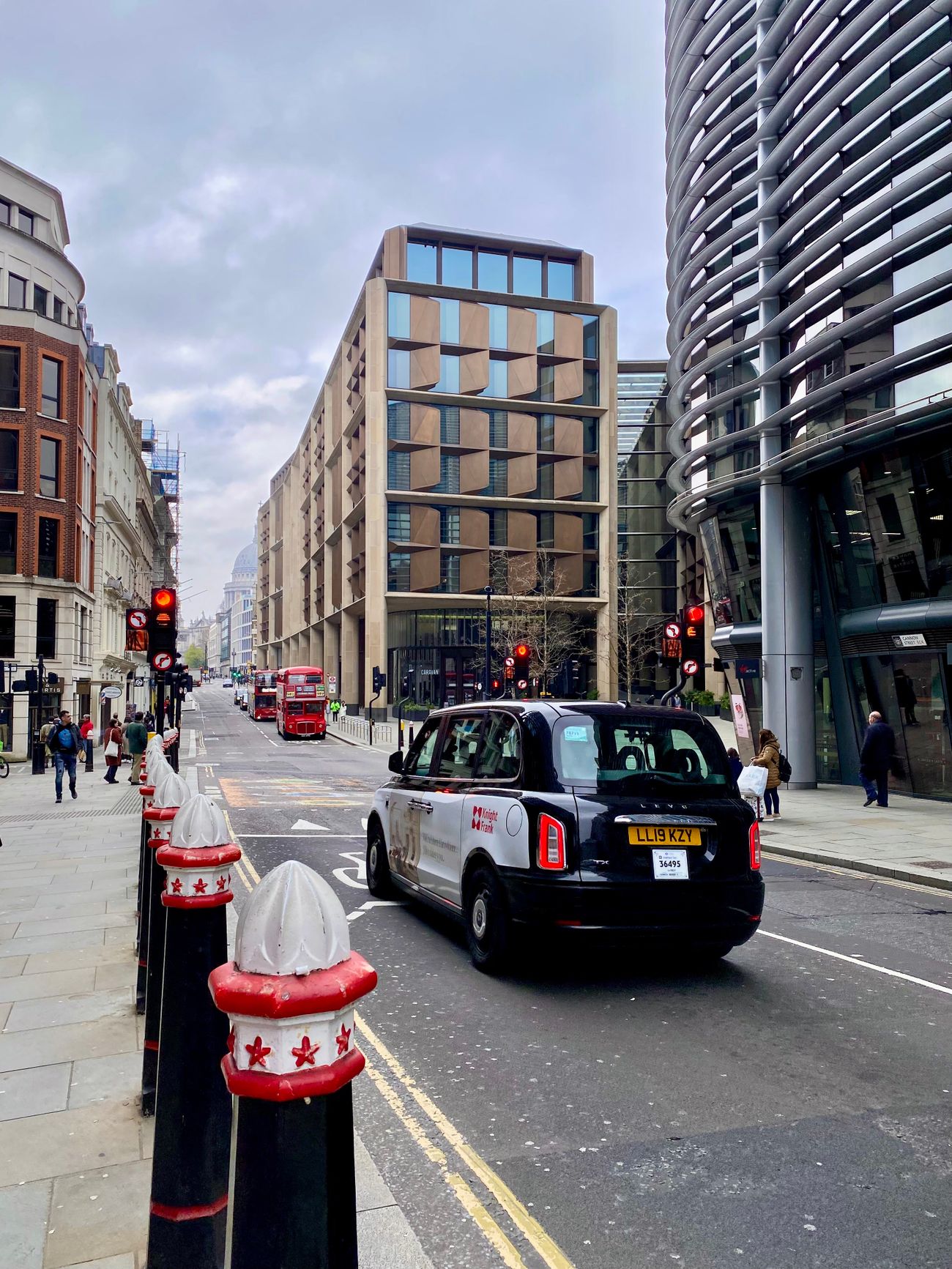
Legend says that London's fate is tied to a mysterious stone hidden among the streets of the City.
Some traditions connect London Stone to Brutus of Troy, the legendary founder of Britain, and imagine it as an ancient symbol of the city's destiny.
According to a familiar saying, as long as the stone remains safe, London will continue to flourish.
Imagine walking along Cannon Street, surrounded by modern buildings, and discovering a small piece of stone carrying a story much larger than itself.
What's actually true?
London Stone is a real historic stone displayed on Cannon Street. Its original purpose and precise age are uncertain. Connections to Brutus and the city's survival are later legends, not established history.
Everyone calls it Big Ben. The famous clock tower beside the Houses of Parliament is one of London's most recognizable landmarks.
But here's the twist: Big Ben isn't actually the tower's official name.
The nickname belongs to the Great Bell inside the clock tower, although people commonly use it to describe the entire structure.
Imagine standing in Westminster, looking up at those famous clock faces. You've probably called it Big Ben. Almost everyone does. But now you know the little secret behind the name.
What's actually true?
Big Ben is the nickname of the Great Bell inside the clock tower at the Palace of Westminster. The tower was officially renamed Elizabeth Tower in 2012, in honor of Queen Elizabeth II's Diamond Jubilee.
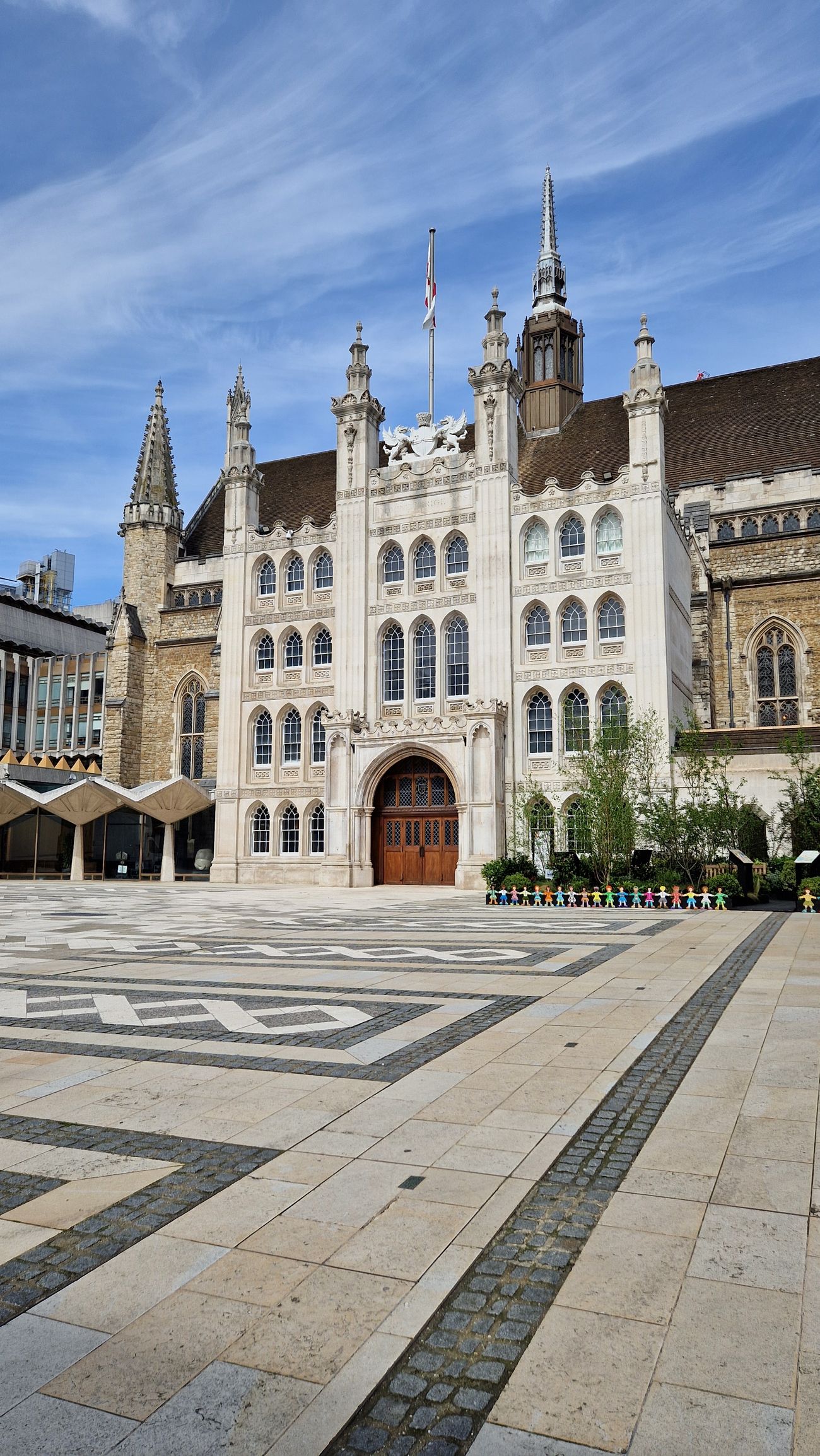
Legend says that two mighty giants, Gog and Magog, once belonged to London's ancient story.
In later versions of the tale, the giants were defeated and became guardians associated with the city.
Their enormous figures became part of London's civic traditions, appearing in ceremonial processions and stories passed through generations.
Imagine entering Guildhall and finding two towering figures watching over a building connected to centuries of London government. The giants may be legendary, but their place in the city's imagination is very real.
What's actually true?
Gog and Magog are established figures in London's civic folklore. Large carved representations stand in Guildhall, and giant figures have featured in Lord Mayor's Show traditions. Their legendary origins are not historical fact.
Legend 05 · Cleopatra's Needle, Victoria Embankment
THE ANCIENT NEEDLE WITH A DARK LEGEND
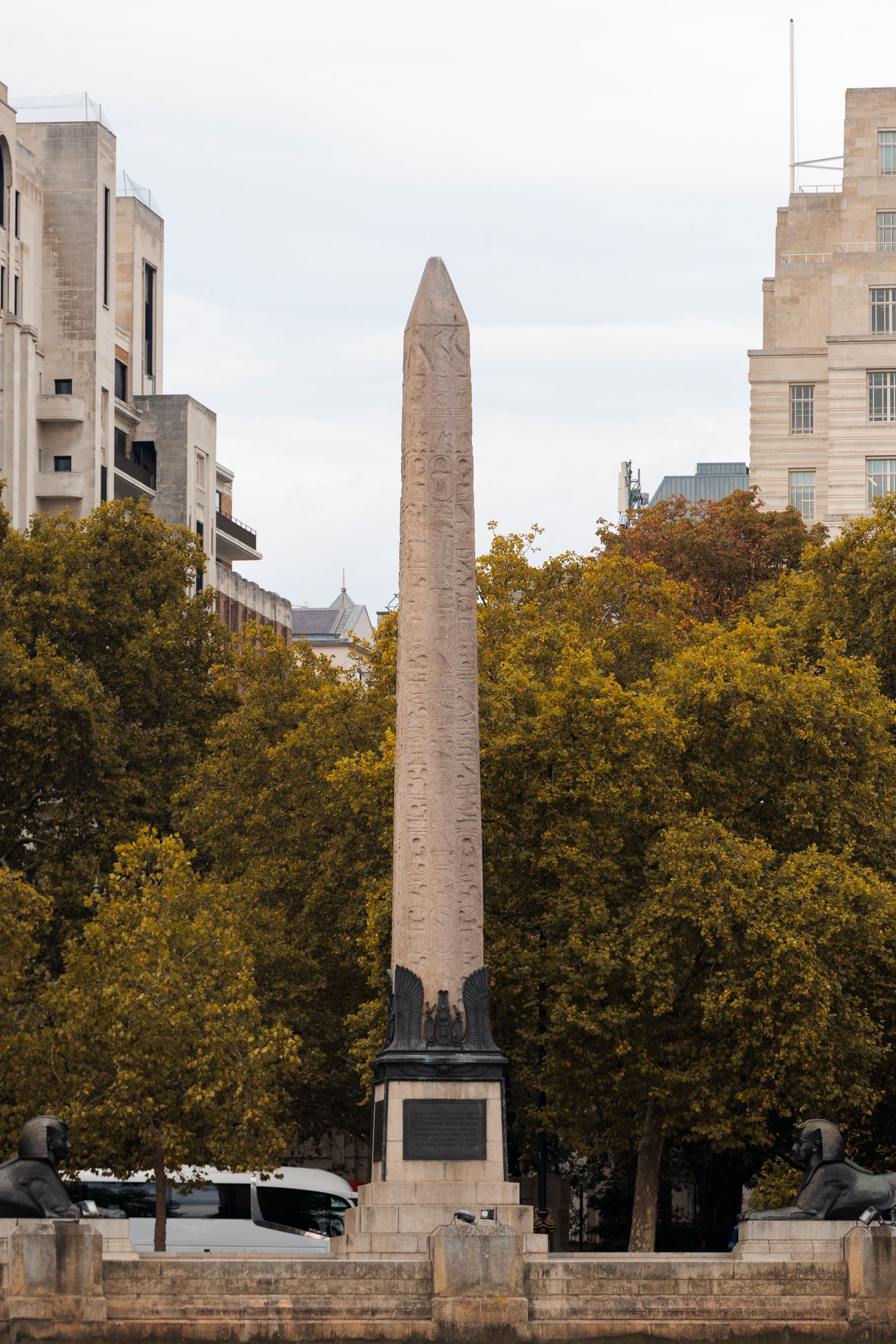
Cleopatra's Needle stands beside the Thames, carrying the mystery of ancient Egypt into the middle of London.
Over time, stories of Egyptian curses and supernatural misfortune became associated with ancient monuments, including obelisks far from their original homes.
The Needle's difficult journey to Britain helped give its story an unusually dramatic atmosphere.
Imagine walking along Victoria Embankment and finding an ancient stone monument surrounded by London traffic. No curse is needed to make its history extraordinary.
What's actually true?
Cleopatra's Needle is an authentic ancient Egyptian obelisk erected in London in 1878. Its transport involved a dangerous sea voyage during which six men died. Claims of a supernatural curse are unsupported, and the obelisk was not commissioned by Cleopatra.