
Imagine New York Harbor without the Statue of Liberty.
No copper figure holding her torch above the water. No familiar silhouette greeting boats approaching the city.
Hard to picture, isn't it?
But before Lady Liberty became an icon, she faced a surprisingly ordinary problem.
The statue was being built in France. America was responsible for her pedestal. And the money was running out.
The solution? Not one wealthy benefactor.
Everyone else.
1876: A gift with a catch.
The Statue of Liberty began as a French-American project celebrating liberty and friendship.
French sculptor Frédéric Auguste Bartholdi designed the enormous copper figure.
The French would provide the statue. Americans would fund the pedestal on which she would stand.
In 1876, the statue's arm and torch appeared at Philadelphia's Centennial Exposition.
The dream was taking shape. But the American half of the project still needed money.
1881: The pedestal gets an architect.
In France, workers were assembling the statue's copper exterior around an innovative internal support system.
Gustave Eiffel designed the iron framework that would help the enormous figure withstand the wind.
Across the Atlantic, American architect Richard Morris Hunt was commissioned to design the pedestal.
The chosen site was Bedloe's Island, inside the historic star-shaped Fort Wood.
Two countries were building one monument. Progress, however, was moving at different speeds.

1884: A statue without somewhere to stand.
On July 4, the completed statue was formally presented in Paris.
In New York Harbor, the pedestal was still unfinished.
Its cornerstone was laid on August 5, but the American fundraising committee soon ran out of money.
Construction stopped. The statue was scheduled to cross the Atlantic the following year.
Imagine preparing to receive an enormous gift and realizing you haven't finished building the place to put it.
1885: A newspaper asks everyone to help.
New York World publisher Joseph Pulitzer launched a public fundraising campaign.
Instead of waiting for wealthy donors, his newspaper appealed directly to ordinary Americans.
Small contributions poured in. The newspaper published donors' names, regardless of how little they gave.
By August, the campaign had raised more than $100,000 from roughly 125,000 contributors.
The pedestal could be completed. Thousands of modest donations had helped rescue a monumental project.
1885: She arrives in pieces.
On June 17, the French ship Isère arrived in New York Harbor carrying the disassembled statue.
Her arrival was celebrated, but her pedestal still wasn't ready.
The copper figure had crossed the Atlantic packed into crates.
Those pieces would remain in storage while work continued on Bedloe's Island.
New York had welcomed Lady Liberty. Now it had to finish building her home.
1886: The city finally meets Lady Liberty.
The pedestal was completed, and workers reassembled the statue above New York Harbor.
On October 28, President Grover Cleveland presided over the dedication.
The monument finally stood where its creators had envisioned it.
The statue had been a gift from France, but its American foundation had become a collective achievement.
Next time you see Lady Liberty, remember the thousands of people who helped give her somewhere to stand.

New York is famous for doing things on a grand scale.
But one of its greatest landmarks owes part of its existence to something wonderfully small: ordinary people making contributions they could afford.
Sometimes the biggest stories begin with everyone doing a little.
A little history worth keeping.
Save the surprising story behind the Statue of Liberty to My Bag. The next time you see her, you'll know what helped keep the dream alive.
A little New York to take home.
Shop on Etsy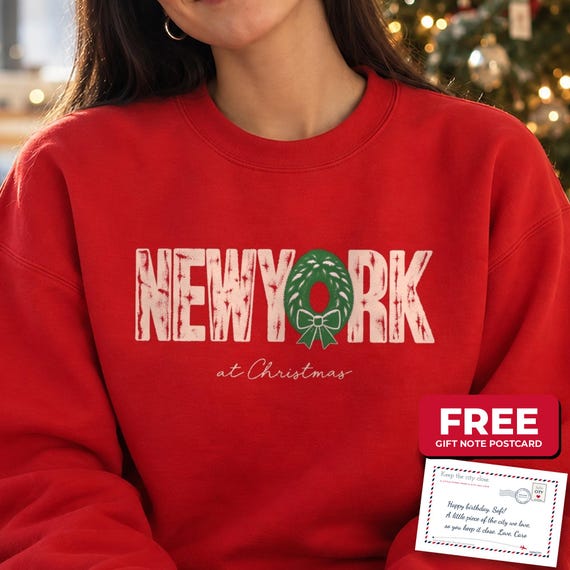
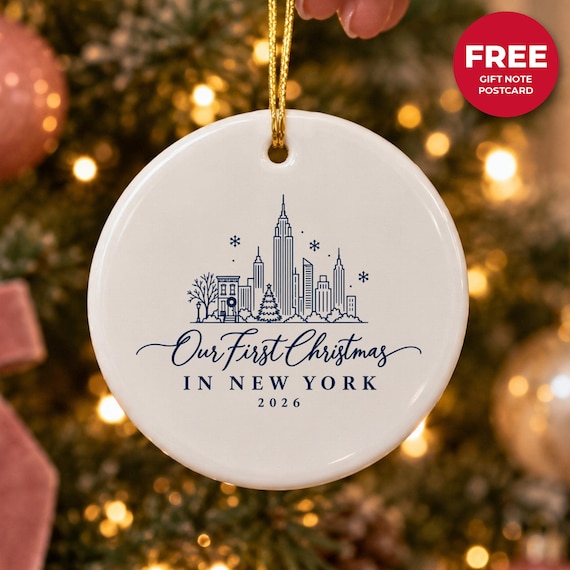
Every city has a story behind the story.
Join City Notes for surprising histories, beautiful places, and little discoveries twice a month.
Photos: Hero by Fernando Strabuli / Unsplash; The pedestal gets an architect. by AussieActive / Unsplash; The city finally meets Lady Liberty. by Massimiliano Morosinotto / Unsplash (Unsplash and Pexels licenses). Product photos from our Etsy shop. Places mentioned are suggestions; check current details before you go.