Some stories belong to history. Others refuse to stay buried.
5 legends+ what's actually true
Paris has always been good at telling stories.
Some are written in history books. Others have been whispered through centuries, passed between generations, and polished into something wonderfully strange.
A saint who carries his own head. A hidden lake beneath an opera house. A man who supposedly discovered the secret to eternal life.
Are they true? Not quite.
But behind every great Paris legend, there's usually something real worth discovering.
01
Legend 01 · Montmartre
The saint who walked without his head
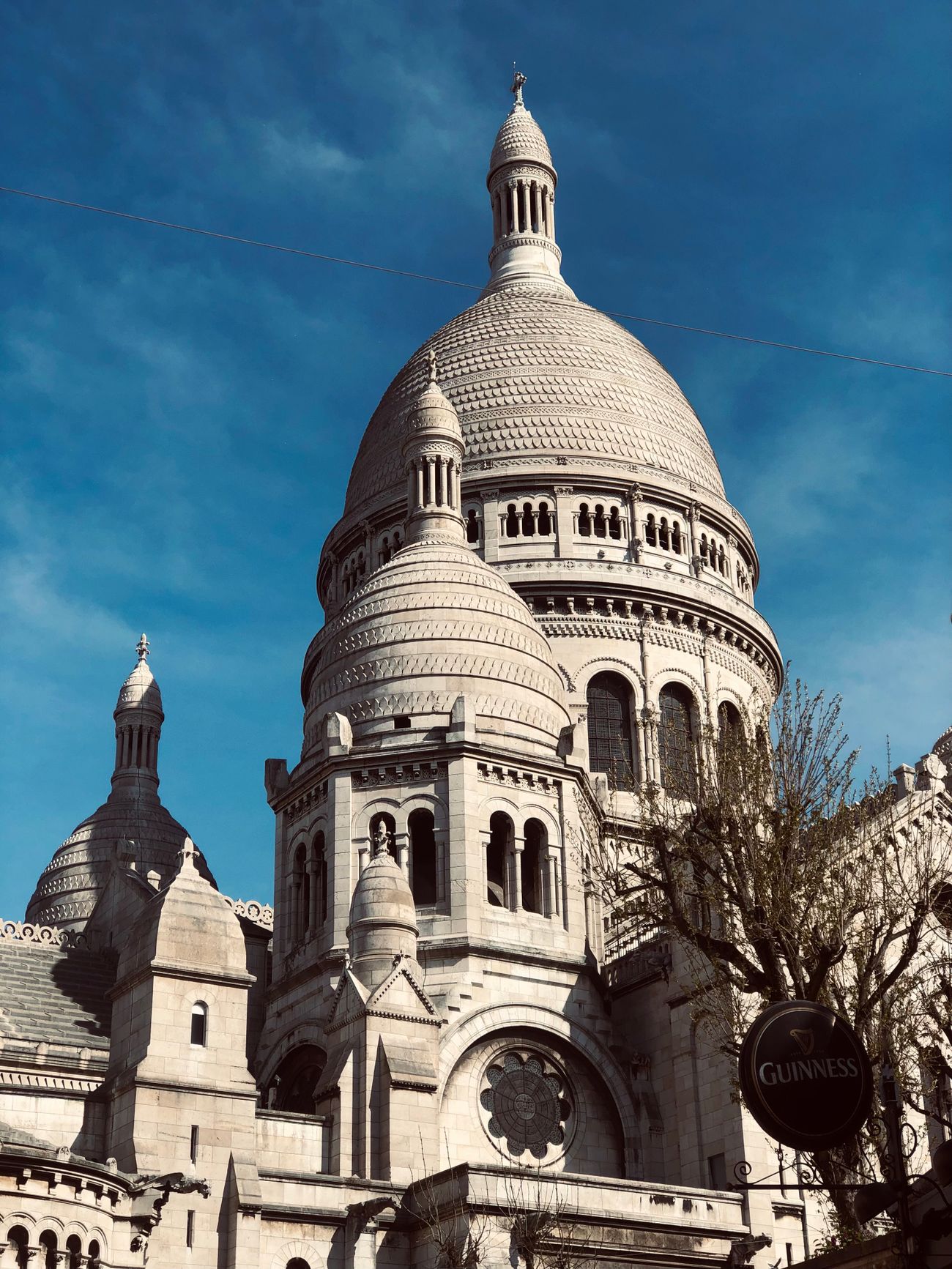
Legend says that Saint Denis, an early Christian bishop, was executed on the hill of Montmartre. But his story didn't end there.
According to tradition, after being beheaded, Denis picked up his own head and continued walking, carrying it in his hands. He traveled several miles before finally stopping at the place associated with his burial.
It's an extraordinary image, and one that became part of Paris's religious imagination.
Paris has many famous saints. Very few have a legend quite like this one.
What's actually true?
Saint Denis is traditionally regarded as an early bishop and martyr of Paris. His association with Montmartre and the head-carrying miracle belongs to religious tradition, not verifiable historical events.
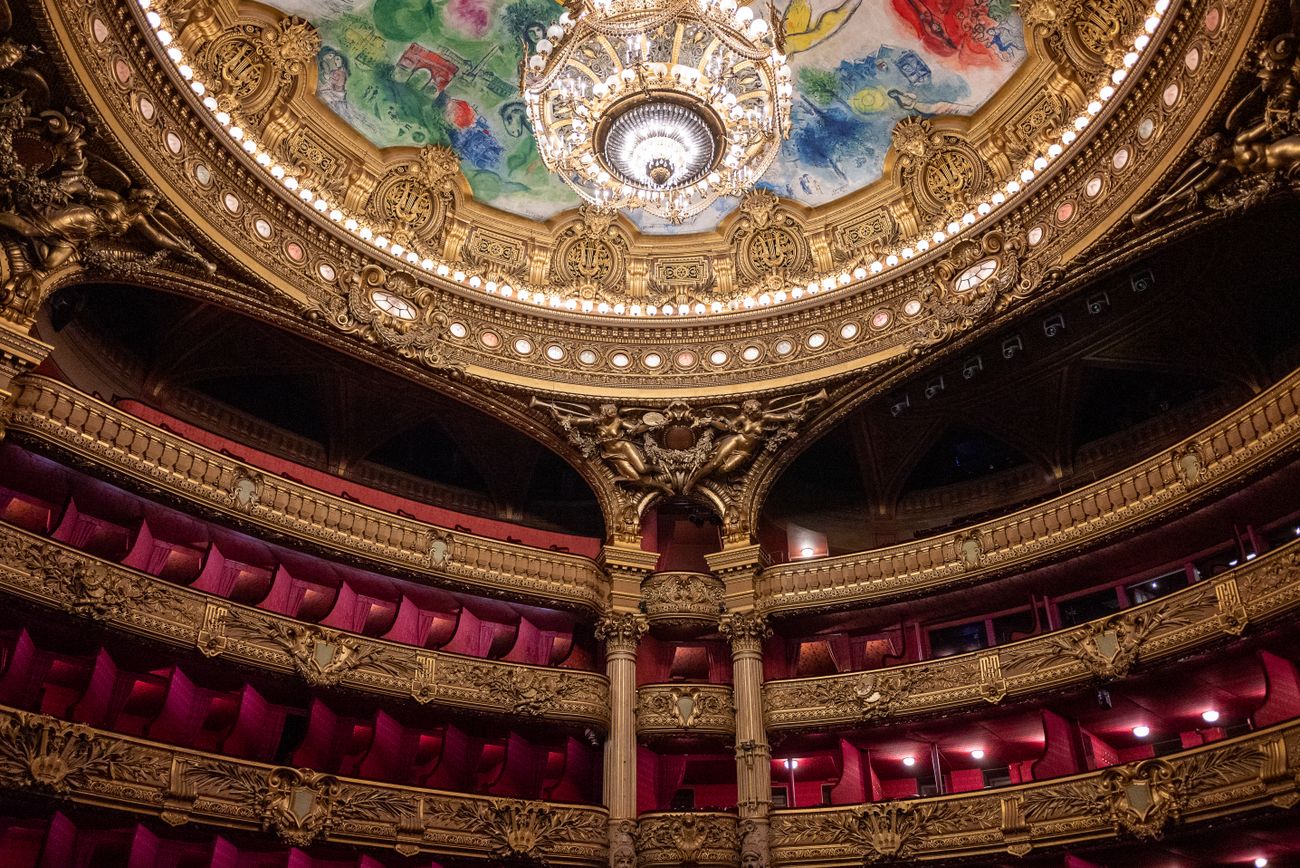
Legend says that beneath the magnificent Palais Garnier lies a mysterious underground lake. And somewhere in the shadows, a phantom waits.
The story became famous through Gaston Leroux's novel The Phantom of the Opera, published in 1910. In the novel, the Phantom lives beneath the opera house, surrounded by hidden passages and underground water.
It sounds like the perfect Gothic invention. Except for one delicious detail: there really is water beneath the building.
No confirmed Phantom. But a real underground reservoir. Paris does enjoy a good plot twist.
What's actually true?
Palais Garnier has an underground water reservoir associated with the building's foundations and fire-safety arrangements. The Phantom is a fictional character created by Gaston Leroux.
Legend says Nicolas Flamel discovered the Philosopher's Stone, the mysterious substance that supposedly turned ordinary metals into gold and created an elixir of life.
And Flamel? According to later stories, he and his wife Perenelle achieved immortality. Their supposed secret fascinated generations of writers and occult enthusiasts.
But the real Nicolas Flamel was a Parisian scribe and manuscript seller who lived during the Middle Ages. His name became attached to alchemical legends long after his lifetime.
You can still find traces of his story in Paris, including a historic building on Rue de Montmorency associated with him.
A real man. A real city. And a legend that refuses to die.
What's actually true?
Nicolas Flamel was a historical Parisian scribe and benefactor. Claims that he created the Philosopher's Stone or achieved immortality are unsupported legends that developed after his death. The house at 51 Rue de Montmorency dates from 1407.
04
Legend 04 · Jardin des Tuileries
The Red Man of the Tuileries
Legend says that a mysterious figure dressed in red once haunted the Tuileries Palace.
Known as the Red Man of the Tuileries, he was supposedly seen before moments of danger, political upheaval, or royal misfortune. Different versions connect him to different periods of French history. Some describe him as a ghost. Others as a supernatural warning.
Walk through the Tuileries Garden at dusk, with the paths growing quieter and the Louvre rising beyond the trees, and it's easy to understand why a place connected to centuries of royal power might collect a few ghost stories.
The palace itself is gone. But the legend has survived.
What's actually true?
The Tuileries Palace was a real royal and imperial residence, burned during the Paris Commune in 1871 and demolished in 1883. The Red Man is a ghost legend, not a documented supernatural occurrence.
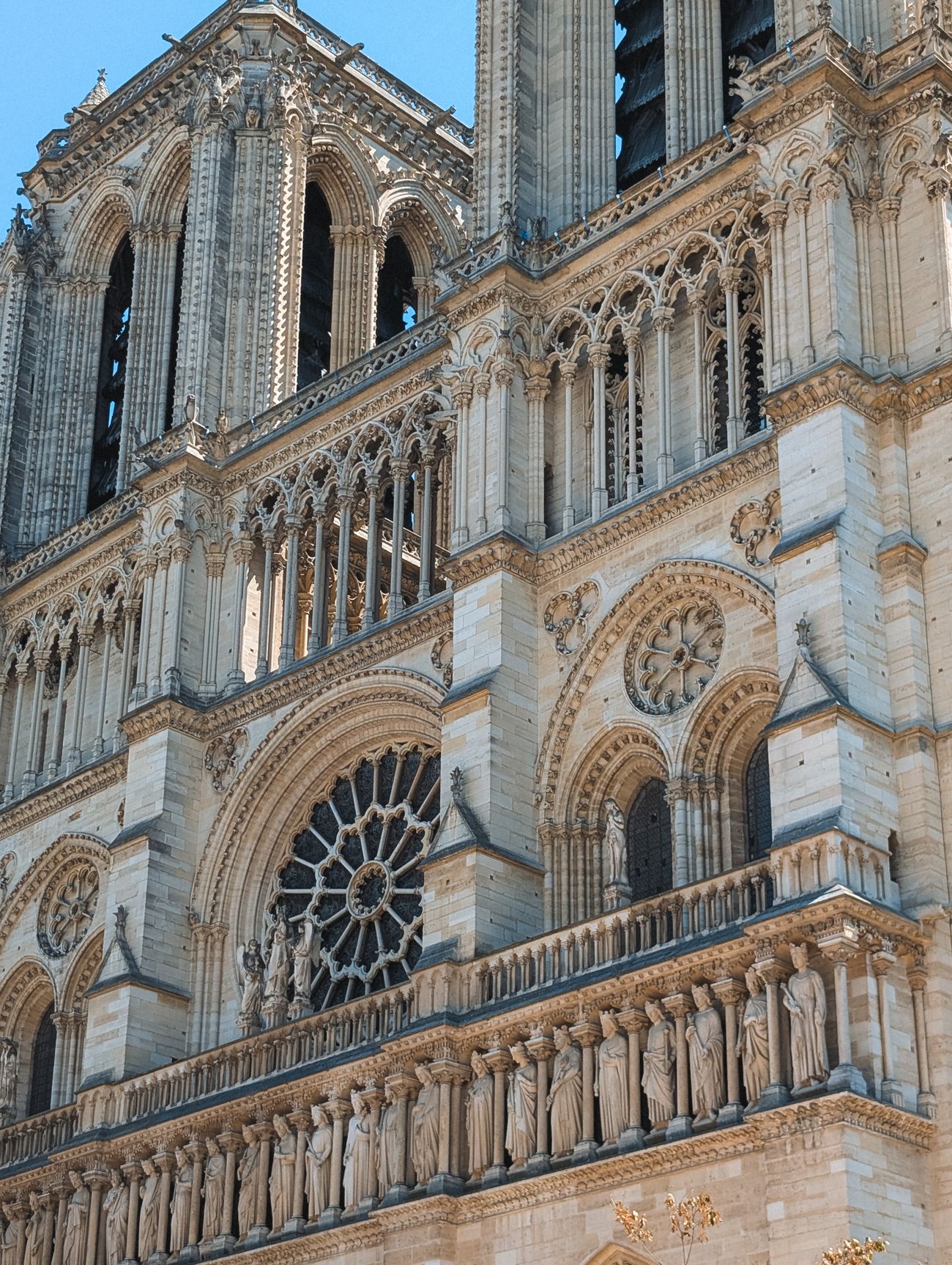
Legend says that a young ironworker named Biscornet was given an impossible task: create magnificent ironwork for the doors of Notre-Dame.
Desperate to complete the work, he supposedly made a pact with the Devil. The result was so extraordinary that people believed no ordinary craftsman could have created it.
But when the time came to open the doors, the story says they refused to move. Only holy water could break the spell.
Stand before Notre-Dame and look closely at its intricate ironwork. You don't need to believe in the Devil to appreciate the skill.
Sometimes human talent is mysterious enough.
What's actually true?
Notre-Dame has historic decorative ironwork on its doors, and the Biscornet story is part of the cathedral's folklore. A supernatural pact or magically sealed doors has no historical verification.
Some grew from religion. Others from literature, political history, or the mysteries of medieval craftsmanship.
None needs to be literally true to tell us something interesting about the city. Because legends reveal what people feared, admired, questioned, and imagined.
And Paris? Paris has always had a remarkable imagination.
Keep a little Paris mystery.
Save these five legends to My Bag. The next time you walk through Paris, you might see a few familiar places differently.